FREE | Every Friday: May 29 - August 28 | 5 PM - 6 PM

Join us throughout the residency season for our free public series of short and informal artist talks, readings, and presentations. We’ll learn about works-in-progress from our artists and scholars-in-residence with informative and inspiring presentations in all disciplines. This is a wonderful way to kick off your weekend! Bring a friend, all are welcome.
Location: Main Campus. Look for Craigardan Event sign at the end of Main Campus driveway (two “doors” west of the farm store, towards Keene). Google Maps Link
Grace Fossett
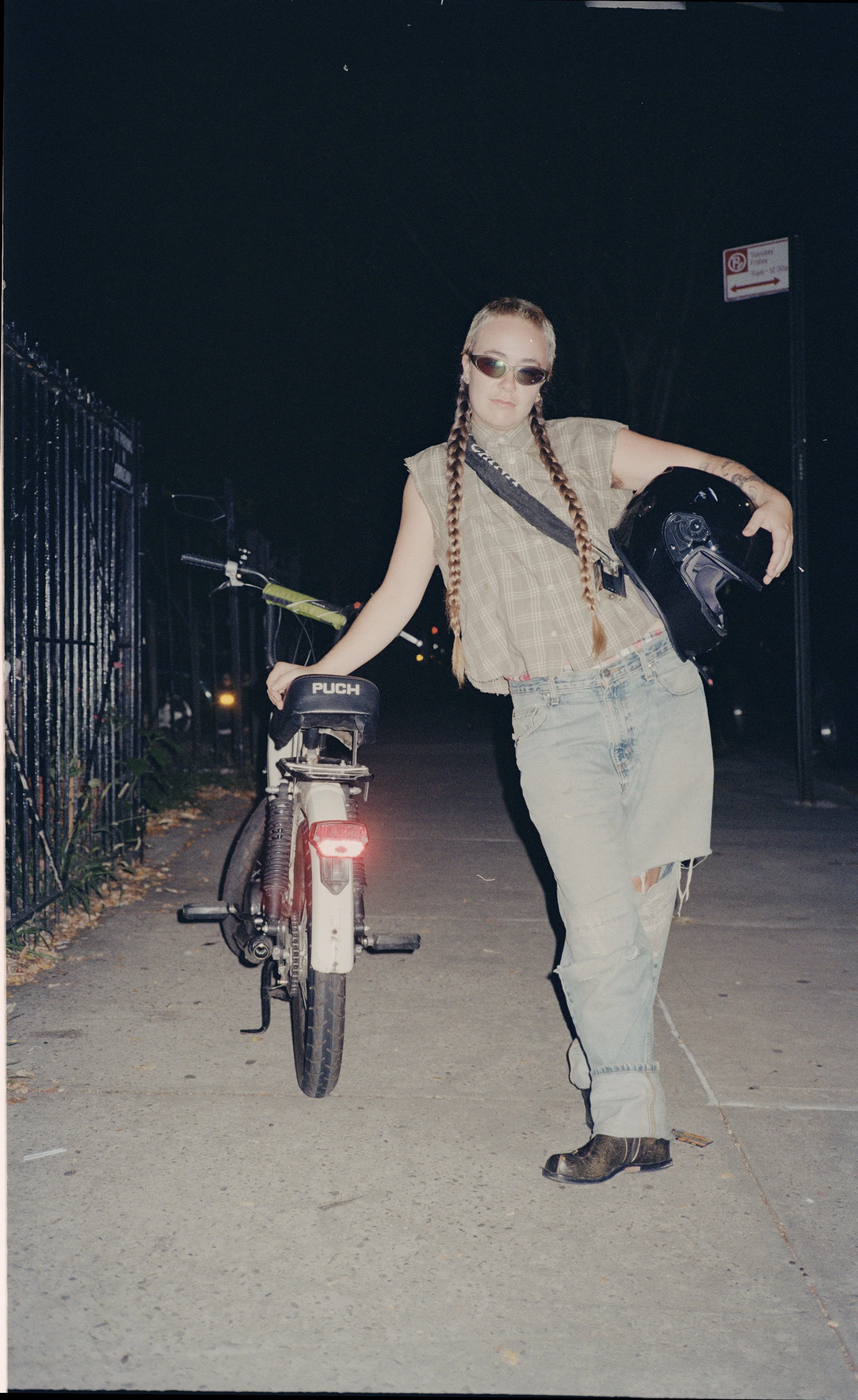
Grace Fossett. Through clay and illustration, Grace seeks to actively blur the historical boundaries between fine art and craft. By using traditional handbuilding and surface design techniques, they give their pots and sculptures depth and breadth by world-building narratives through a trans non-binary lens. Dealing in dreams and histories, real and imagined, Grace’s visual lexicon acts as a narrator, spiraling storyteller, and subject. Arch, hand, castle, spaceship, strong man, truck, sword, dragon, dog, gun, motorcycle– as monikers for narrative, these forms suggest movement and the passage of time. They become the driving force of stories, multi-functional narratives to hold secrets that shelter and shuttle you from place to place. With this lexicon, they record their history onto the surface of pots or pages of a comic, a history that tells lies and undisputed facts, one that accounts for the utterly mundane and fantastically extraordinary— of interactions seen on the street to altercations witnessed in a dream. Shards and slices of daily life altered by an overactive imagination. This library of personal iconography is carved/scratched/printed onto ceramic objects, allowing you to hold story and history in your hands. The forms lovingly interacts with the user, creating an experience that is both tactile and cerebral. Grace’s work is a playful yet emotionally charged exploration of gender, fantasy, and relationship with self— familial, platonic, and romantic. It conjures up a dream-like sense in my audience, blending fantasy and humor with poignant resonance.
Lu Chekowsky
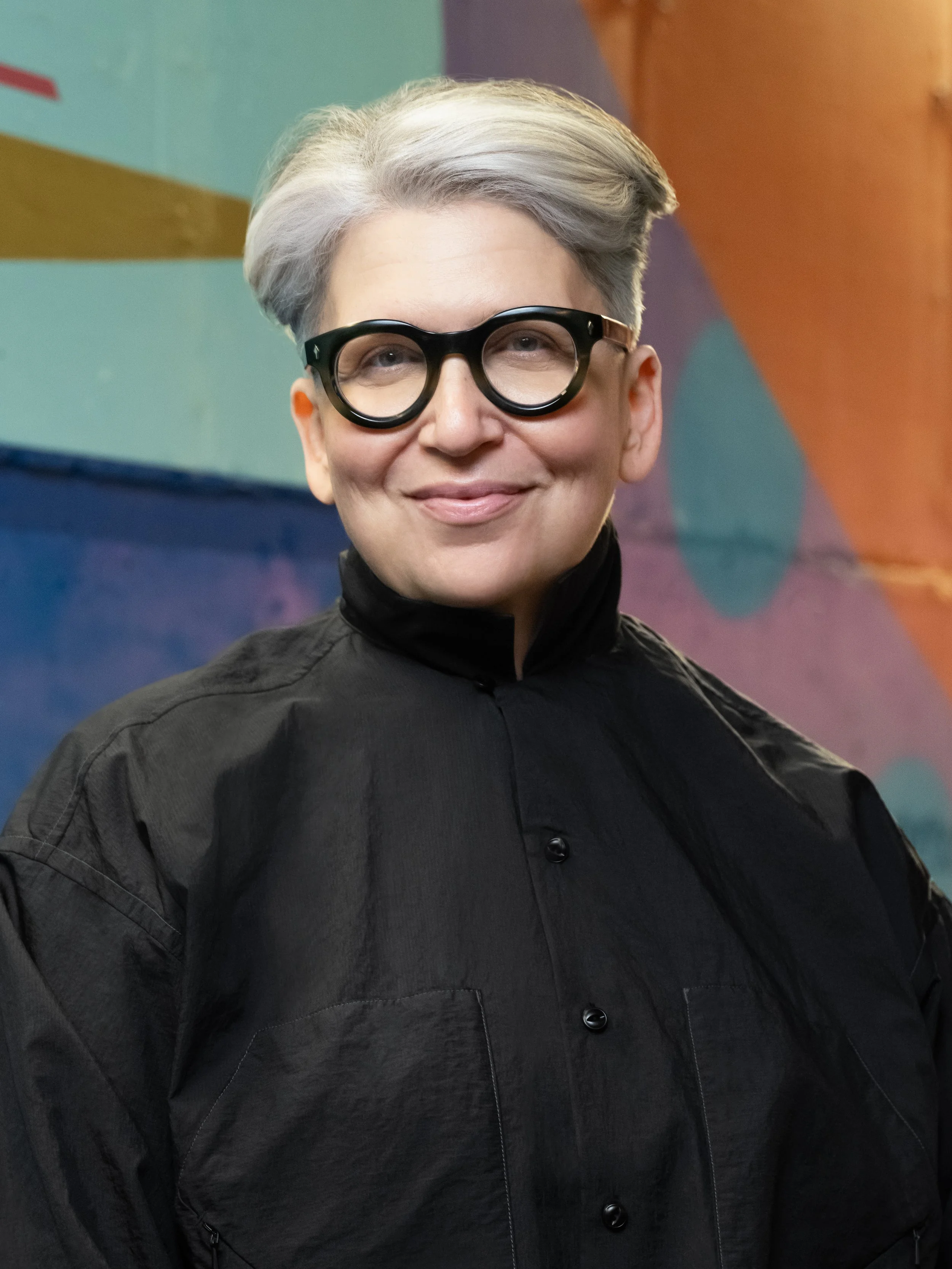
Lu Chekowsky is an Emmy Award-winning writer, former advertising creative director and the author of, "Don't Buy What I'm Selling: On Breaking Up With Advertising and Finally Learning to Love My Whole, Fat Self" (published by Little, Brown in 2026). Lu is a 2023 New York State Council on the Arts / New York Foundation for the Arts Fellow in nonfiction literature, and their writing has been supported by Mass MoCA, the Vermont Studio Center, Craigardan, and Tin House. Her essays and poetry have been published in The Rumpus, Pigeon Pages, and Autofocus, and her pieces about the cultural impacts of advertising have appeared in Ad Age and Muse by Clios. Lu lives in the Hudson Valley.
Isabel Arévalo
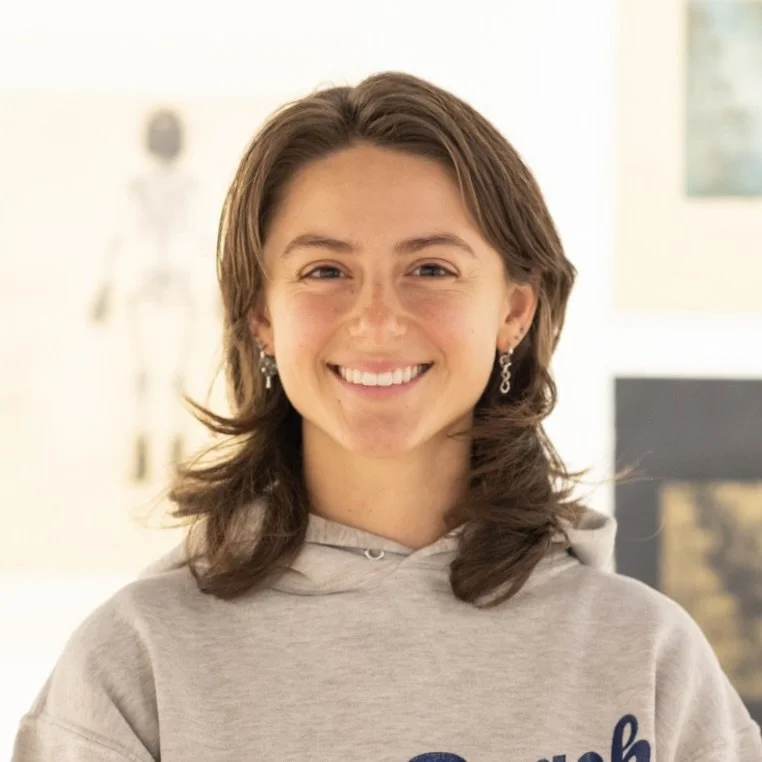
Isabel Arévalo is a potter and printmaker based in Western Massachusetts. She holds a BA from Carleton College, and has taught printmaking to youth, teens and adults. She is currently an apprentice at Stonepool pottery with Mark Shapiro. Her work seeks to make visible the hidden connections between the physical body, the natural world, and identity. She uses layering, transparency, the press, and the wheel to express concepts of multiplicity, simultaneity, and interconnectivity.